
église Saint Martin De Cologne
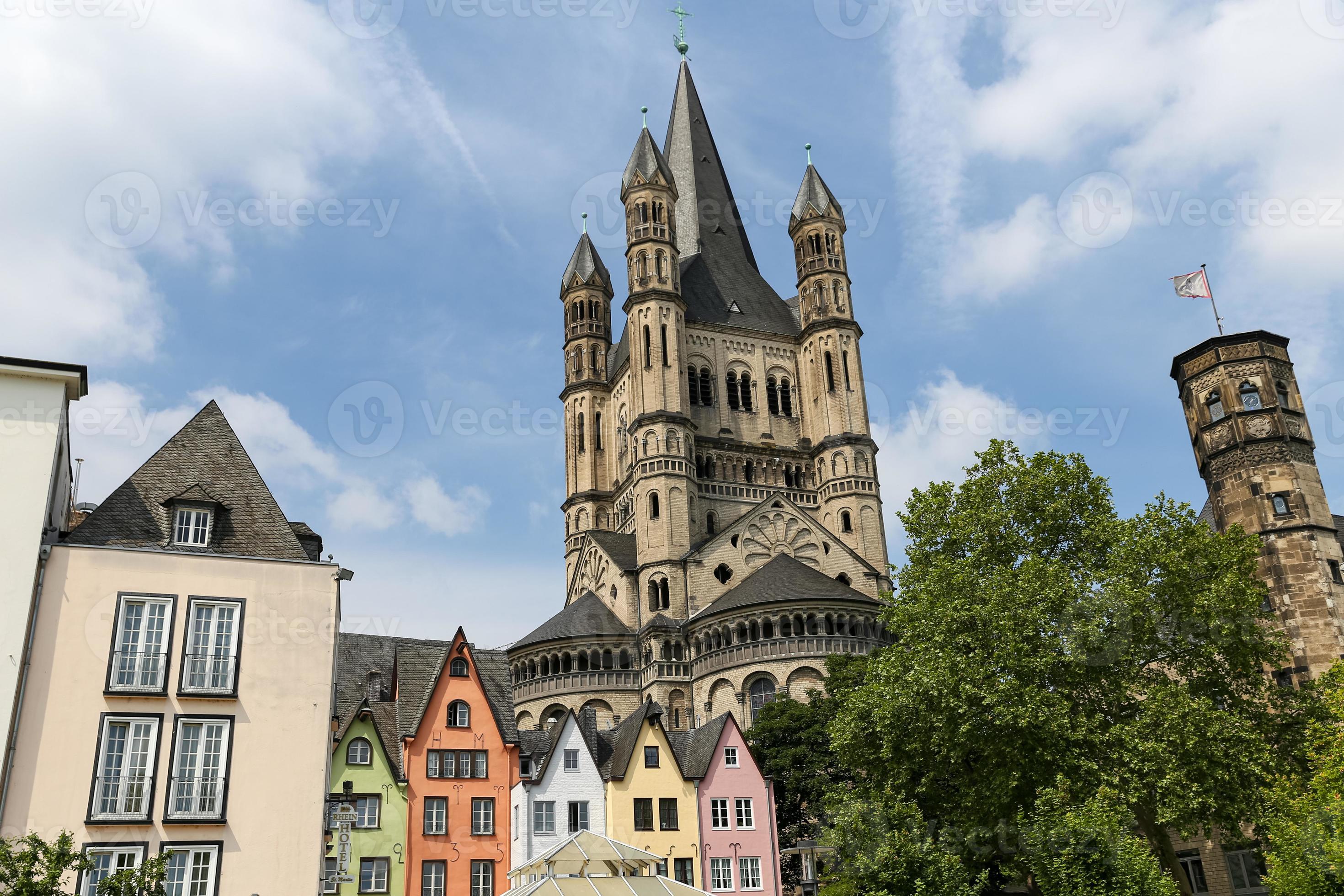
So, there I was, wandering around Cologne, Germany, with a mouth full of Kölner Käse - yes, I know, not the most elegant look - when I stumbled upon this massive, awe-inspiring building. I mean, it was like walking into a giant's living room, or maybe a really old, really fancy gymnasium. That, my friends, was my first encounter with the Église Saint Martin de Cologne, or as the locals call it, the St. Martin Kirche.
Now, you might be thinking, "Hey, isn't that the big cathedral with the pointy towers? You know, the one that's been there forever?" Well, yes and no. While it's true that Cologne Cathedral is the city's most famous landmark, the Église Saint Martin is no slouch either. In fact, it's one of the oldest churches in the city, and it's got a story that's almost as twisted as the plot of a medieval soap opera.
Back in the Day
Imagine, if you will, the year 1150. Cologne is a bustling city, and the local archbishop, Rainald von Dassel, is having a bit of a power struggle with the local nobility. Now, Rainald was a bit of a hothead - he once threw a tantrum so epic that he literally died of anger. But I digress.
Must Read
So, there's this noble family, the von Blankenbergs, who are causing Rainald some serious headaches. In a move that's either incredibly clever or incredibly stupid (depending on who you ask), Rainald decides to build a church right on top of the von Blankenbergs' ancestral graves. Talk about a passive-aggressive power play!
And thus, the Église Saint Martin was born. It was originally built as a Benedictine monastery, and it was supposed to be this big, fancy show of power. But, as they say, pride comes before the fall. The church was completed in 1180, just one year after Rainald's untimely demise. Talk about karma, huh?
Through the Ages
Over the centuries, the Église Saint Martin has seen its fair share of ups and downs. It's been damaged by fires, wars, and even a bomb during World War II. But it's always managed to bounce back, like some sort of architectural phoenix.
One of the most fascinating periods in the church's history is the Baroque era. In the 17th and 18th centuries, the church was given a serious makeover, and it's now home to some of the most stunning Baroque art and architecture in the city. I mean, it's like walking into a real-life candy shop for art lovers. But more on that later.
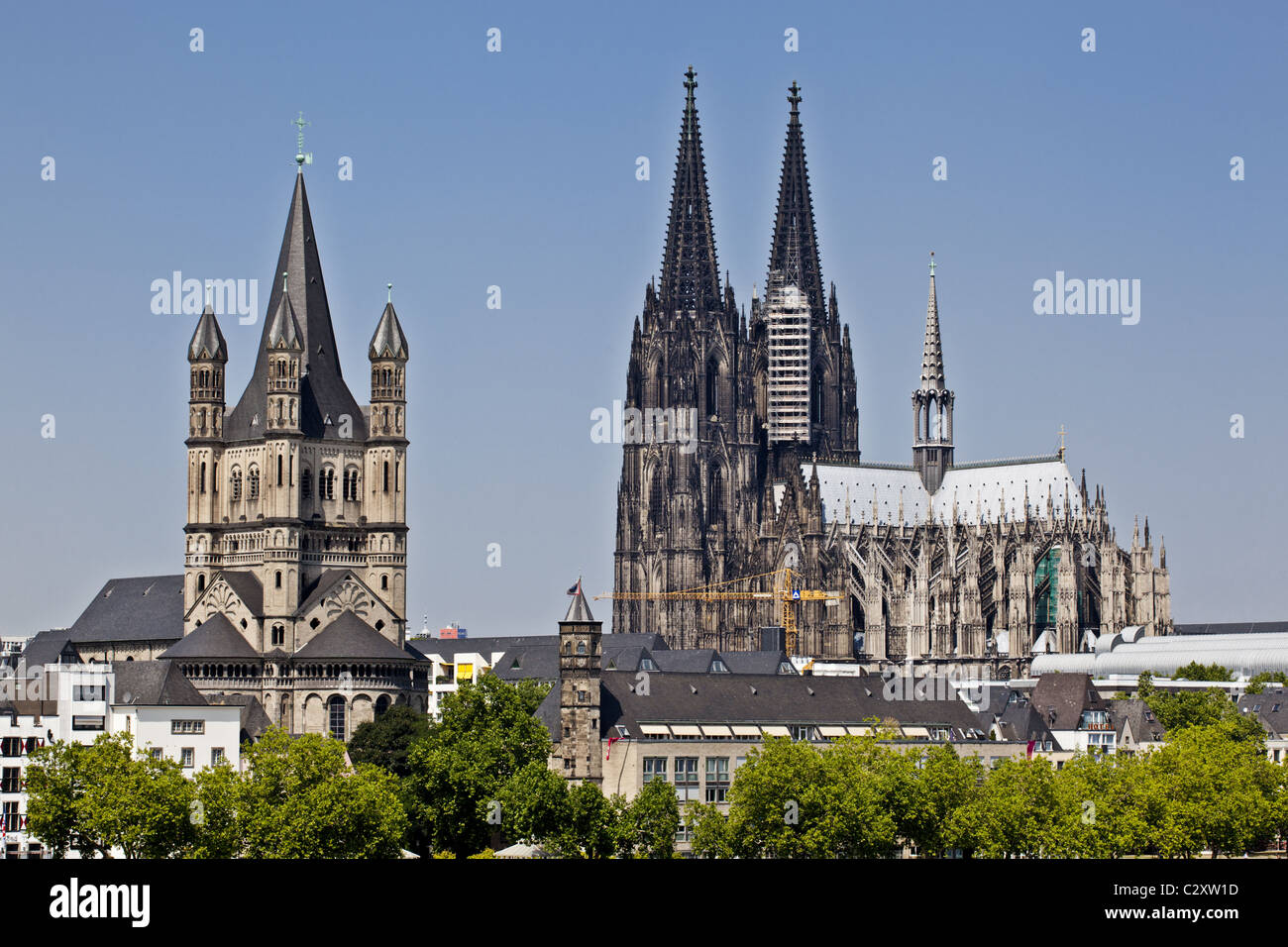
What's Inside
Alright, so you've heard the history lesson. Now, let's talk about what makes the Église Saint Martin worth your time and effort. First off, let's address the elephant in the room - or rather, the elephant on the wall. I'm talking about the massive, gold-plated altar piece that's practically begging you to take a selfie. It's called the "High Altar," and it's a prime example of that Baroque bling I was telling you about.
But the real star of the show is the "Crucifixion Group," a collection of sculptures that are so lifelike, they'll make you do a double-take. They're the work of the famous sculptor Andreas Schlüter, and they're easily one of the most impressive things I've seen in Cologne. The way the light catches the marble, the emotion on the faces - it's like they're frozen in time, right in the middle of their own personal drama.
And that's not all. The church is also home to a stunning organ, a beautiful pulpit, and even a few hidden gems, like the "Crypt of the Three Kings," which is exactly what it sounds like - a crypt where the remains of three medieval kings were once kept. Spooky, huh?
Final Thoughts
So, there you have it - the story of the Église Saint Martin de Cologne, from its humble beginnings as a power play to its current status as a must-see attraction. It's a church that's seen it all, from medieval feuds to Baroque makeovers, and it's still standing strong. If walls could talk, I'm sure this one would have some seriously juicy gossip.
But hey, don't just take my word for it. Go check it out for yourself. It's free to enter, and it's a great way to spend an hour or two, even if you're not usually a church kinda person. Just remember to leave your Kölner Käse at the door - trust me, your fellow visitors will thank you.