
Allergie Was Blüht Zur Zeit
Allergie Was Blüht Zur Zeit: Spring's Surprise Visitors
Spring is in the air, and so are allergens! If you're one of the many people who greet this season with itchy eyes and a runny nose, you're not alone. Let's dive into the world of spring allergies, demystify some common misconceptions, and learn how to make this season a little more enjoyable.
Who's to Blame?
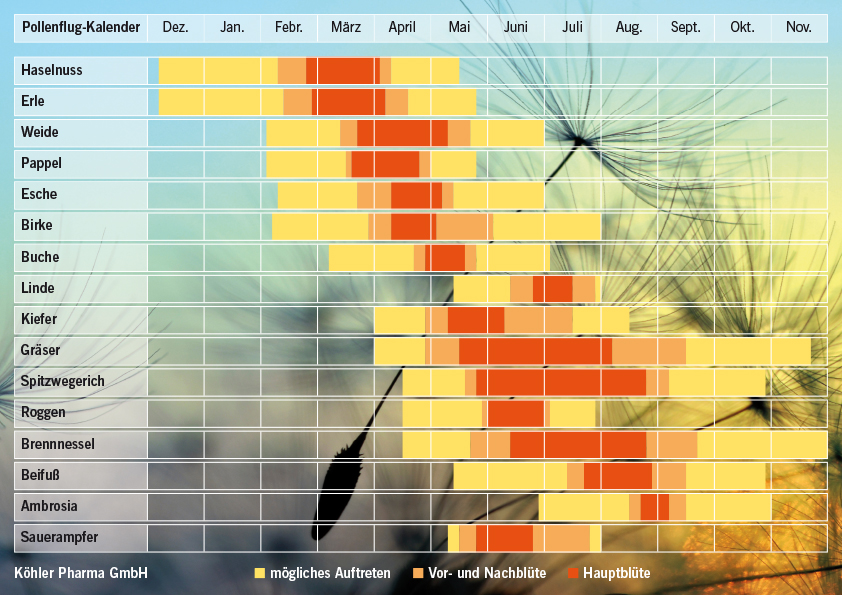
Trees, grasses, and weeds are the usual suspects when it comes to spring allergies. In Germany, for instance, birch, alder, and hazel trees are among the most common culprits. These plants release tiny, lightweight particles called pollen into the air to fertilize other plants. Unfortunately for us, these particles are also tiny enough to be inhaled, triggering allergic reactions.
Did you know? Pollen can travel hundreds of kilometers on the wind. So, even if you're stuck in the city, you might be reacting to pollen from rural areas.
Must Read
Timing is Everything
Spring allergies don't follow a one-size-fits-all timeline. The pollen season can vary depending on your location and the specific plant causing your allergies. In Germany, for example, tree pollen typically peaks in March and April, while grass pollen is more prevalent from May to July.
To stay ahead of the game, check local pollen forecasts and plan your outdoor activities accordingly. Remember, pollen counts are usually highest in the morning and on windy days.
Allergy-Friendly Living
While you can't control the pollen outside, you can create a sanctuary indoors. Here are some tips to help you keep allergens at bay:

- Keep windows closed during high pollen days.
- Use an air purifier with a HEPA filter to remove pollen from the air.
- Shower and change clothes after spending time outdoors to rinse off pollen.
- Consider allergy-proofing your bed with special covers for pillows, mattresses, and comforters.
Nature's Allergy Remedies
Before reaching for the medicine cabinet, consider trying some natural allergy remedies. While there's no one-size-fits-all cure, some people find relief in:
- Nettle tea: This humble weed contains histamine and other compounds that may help reduce allergy symptoms.
- Local honey: Some people swear by eating local honey to build up a tolerance to local allergens. While the science is inconclusive, it's a tasty way to support local beekeepers!
- Saline nasal rinses: Rinsing your nose with saline can help flush out pollen and other allergens.
Embrace the Season
Spring allergies can make it challenging to enjoy the season, but they don't have to ruin it. By understanding your triggers, taking precautions, and trying natural remedies, you can make the most of spring. After all, as the great German poet Johann Wolfgang von Goethe once said, "Das Leben ist keine Kunst, man muss es leben" - life is not a work of art, you must live it.
So, go ahead, take that walk in the park, enjoy the blooming flowers, and don't let allergies hold you back. With a little planning and some creative coping strategies, you can make this spring a blooming success!